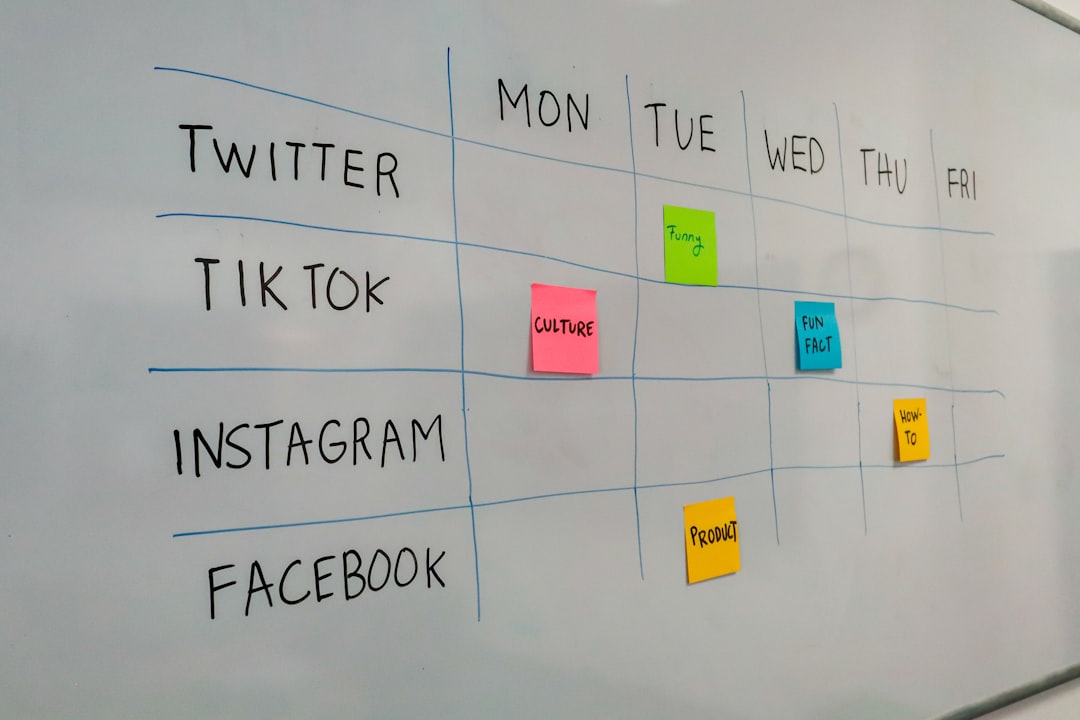

Why Your Business Needs a TikTok Social Manager
A TikTok social manager is a specialist who handles every aspect of a brand’s TikTok presence—from developing content strategy and creating videos to analyzing performance data and managing community engagement. They steer the platform’s unique algorithm, create TikTok-first content, and drive measurable business results through both organic and paid strategies.
Core responsibilities include:
- Strategy Development – Defining goals, target audiences, and content pillars aligned with business objectives
- Content Creation – Producing engaging, platform-native videos that leverage trends and sounds
- Community Management – Responding to comments, DMs, and building loyal follower relationships
- Analytics & Optimization – Tracking metrics like watch time, engagement, and conversions to refine approach
- Paid Advertising – Creating and managing TikTok ad campaigns for expanded reach
TikTok has exploded as a business tool. Over 40% of US users now use it as a search engine, and brands can boost impressions by 56% simply by adding captions to videos. But the platform’s , trend-driven environment requires specialized knowledge that most business owners don’t have time to master.
The algorithm rewards fresh, authentic content posted consistently—TikTok recommends 1-4 posts daily. User-generated content performs 22% better than brand-created videos. And 77% of users expect brands to participate in trends, memes, and challenges. Without a dedicated manager, businesses struggle to keep up.
This isn’t just about posting videos. It’s about understanding what makes TikTok fundamentally different from other platforms, how to create content that resonates with its community-driven culture, and how to turn views into actual business growth.
As William S. Dickinson, I’ve spent over two decades helping businesses steer evolving digital landscapes, and the rise of TikTok as a primary marketing channel has made the TikTok social manager role absolutely essential for brands serious about growth. Throughout this guide, I’ll show you exactly what these specialists do and how they can transform your business presence on the platform.

The Modern TikTok Social Manager: More Than Just Posting

When we talk about a TikTok social manager, we’re discussing a strategic partner for your brand, not just someone who dabbles in social media. This role has evolved significantly, requiring a deep blend of creativity, analytical prowess, and an understanding of ever-changing digital trends. For businesses in North America, from Kelso, Washington to North Vancouver, BC, using TikTok effectively can open up immense growth potential.
What a TikTok Social Manager Actually Does
A TikTok social manager wears many hats, all aimed at cultivating a thriving brand presence on the platform. Their core responsibilities extend far beyond simply uploading videos:
- Strategy Development: This is where it all begins. We work to define clear goals, identify your ideal target audience (ICP), analyze the competitive landscape, and establish content pillars that align with your overall business objectives. A strong strategy is the foundation for all successful TikTok endeavors.
- Content Planning: Once the strategy is set, we move to tactical planning. This involves creating a detailed content calendar, outlining themes, identifying relevant hashtags, and planning diverse post types that resonate with your audience.
- Video Creation & Editing: TikTok is a visual-first platform, and high-quality, engaging video is paramount. A skilled TikTok social manager possesses strong video editing capabilities and an eye for visual storytelling. They leverage TikTok’s native features and understand how to quickly edit dynamic videos that capture attention.
- Trend Analysis: TikTok’s environment means trends emerge and fade rapidly. Our managers are constantly analyzing current trends, sounds, and challenges to strategically integrate them into your content, keeping your brand relevant and engaging.
- Performance Tracking: Data is king. We continuously monitor key metrics such as watch time, engagement rates, follower growth, and conversions. This involves interpreting analytics to understand what’s working (and what’s not) and making data-driven decisions to refine our approach.
- Community Engagement: Building a loyal community is vital. We actively engage with your followers by responding to comments and direct messages, fostering conversations, and participating in relevant dialogues to strengthen brand loyalty.
At Cortex Marketing, we offer comprehensive social media management services, including specialized TikTok strategies custom to your business needs. You can learn more about our approach and services on our website.
Debunking Common Myths
Let’s clear up some common misconceptions about the TikTok social manager role:
- It’s not just posting funny videos: While humor and trends are important, the role is highly strategic. It requires marketing know-how, strong analytical skills, and compelling writing to craft messages that resonate and drive action. It’s about building a brand, not just getting a laugh.
- It’s not just for Gen Z: The demographic reach of TikTok is expanding rapidly. Over 40% of TikTok users in the US now use the app as they would Google, searching for information, products, and services. This makes it a powerful platform for reaching diverse audiences, from #BookTok enthusiasts to #CleanTok communities, across all age groups.
- Viral content isn’t the only goal: While everyone dreams of a viral hit, sustained growth often comes from consistency and genuine community engagement. One-off viral videos are great, but a consistent strategy that builds trust and loyalty is more valuable in the long run.
- It requires deep analytical skills: Far from being a superficial role, a TikTok social manager must be adept at data analysis. They dive into performance metrics to understand audience behavior, optimize content, and prove ROI. This analytical rigor transforms social media activity into tangible business results.
- Misconception: Anyone can do it: The high demand for this role, with thousands of projects and services available online, highlights the specialized nature of this expertise. Managing a brand’s TikTok is a strategic discipline that requires dedicated time, specific skills, and an understanding of the platform’s nuances—it’s certainly not a “side task” anyone can pick up easily.
Core Strategies for TikTok Domination

To truly dominate on TikTok, we believe in a data-driven approach, a deep understanding of the algorithm, a content-first mindset, and unwavering consistency. The TikTok algorithm might seem like a mysterious beast, but with the right strategies, we can work with it to maximize your brand’s reach and impact.
Navigating the TikTok Algorithm
The TikTok algorithm is incredibly sophisticated, almost eerily good at knowing what users want to see. As one social media manager noted, it seems to know “exactly what we want to see, exactly when we want to see it.” This predictive power, while a bit scary, is also incredibly exciting for brands.
- Algorithm’s Influence: The algorithm prioritizes content based on user interactions, video information (captions, sounds, hashtags), and device/account settings. It’s constantly learning and adapting.
- Key Ranking Signals: Watch time and video completion rate are crucial. If users watch your video to the end, it signals to TikTok that your content is engaging and valuable, increasing its chances of being shown to more users.
- Engagement Signals: Likes, comments, shares, and saves all tell the algorithm that your content is resonating. The more engagement, the wider your potential reach.
- Embracing TikTok Communities: A remarkable 76% of TikTok users appreciate brands that are active in special interest groups like #BookTok, #CleanTok, and #FoodTok. Engaging in these communities, and understanding their unique language and content styles, is a powerful way to connect with highly receptive audiences.
- Using TikTok as a Search Engine: It’s no longer just for entertainment. Over 40% of TikTok users in the US actively use the app to search for information, products, and brands. This means optimizing your content for TikTok SEO—using relevant keywords in captions and display names—is more important than ever for findability.
The Art of TikTok-First Content Creation
To truly succeed, your content can’t just be repurposed from other platforms. It needs to be “TikTok-first.” This means creating content specifically designed for the platform’s unique ecosystem.
- Creating Native Content: Use TikTok-specific features like text overlays, duets, and green screens. Don’t just cross-post; create original content that feels authentic to the platform. In fact, 83% of global TikTok users trust brands that post TikTok-first creatives, and these ads drive 3.3x more actions compared to those that aren’t TikTok-first.
- Lo-Fi Video Style & Vertical Format: TikTok recommends brands post lo-fi videos shot vertically. Authenticity often trumps high production value here. Real people and authentic stories tend to perform best.
- Importance of Sound: Sound is non-negotiable on TikTok. A staggering 88% of TikTok users say sound is crucial to their experience. Leveraging trending sounds and music can significantly boost your content’s reach.
- Using Hooks in the First 3 Seconds: You have a tiny window to capture attention. 63%+ of TikTok videos with the highest click-through rates (CTRs) hook their viewers in the first 3 seconds. This could be through suspense, a surprising visual, or an emotional appeal.
- Adding Captions for Accessibility and Reach: Captions aren’t just for accessibility (though that’s a vital reason!). Brands can boost TikTok impressions by 56% simply by adding closed captions to videos. Use TikTok’s auto-caption feature and then edit for accuracy to ensure your message is always understood.
Content Scheduling and Analytics
Consistency is a virtue on TikTok. While the platform recommends posting 1–4 times per day to test diverse content, we understand that this isn’t always sustainable for every business. On average, businesses on TikTok post 9 times per month. The key is to find a schedule that works for you and stick to it.
- Content Scheduling Best Practices: Develop a content calendar to plan your posts in advance. Tools can help you bulk schedule, ensuring a steady stream of content even when things get busy.
- Performance Tracking: A skilled TikTok social manager constantly monitors key metrics. We look at follower growth, watch time, comments, shares, and saves. These aren’t just vanity metrics; they offer crucial insights into what’s resonating with your audience. For example, if you have low watch time, it’s a clear signal to “switch up your hook.” If saves are low, consider if your content is providing enough value for users to want to revisit it.
- Using Data to Pivot Strategy: Analytics should always inform your next steps. If certain content types consistently underperform, it’s time to pivot your content strategy. We use tools and our expertise to analyze these insights and adjust our approach, ensuring continuous improvement and growth for your brand.
Expanding Your Reach: Key Tactics for Growth
Beyond organic content and algorithm mastery, a TikTok social manager leverages other powerful tactics to expand your brand’s reach. This includes tapping into the authenticity of user-generated content and strategically partnering with creators, as well as navigating paid advertising.
Leveraging UGC and Creator Partnerships
User-Generated Content (UGC) is a goldmine on TikTok, offering unparalleled authenticity and relatability.
- Power of User-Generated Content (UGC): On TikTok, UGC videos are 22% more effective than brand-created videos. This statistic alone highlights why encouraging and integrating UGC is crucial for any brand’s TikTok strategy. It feels more genuine and trustworthy to your audience.
- How to Encourage and Manage UGC: We help brands develop strategies to inspire their audience to create content. This often involves running challenges, asking questions, or featuring customer stories. 77% of users want brands to create content using trends, memes, and challenges, so don’t be afraid to let your fun side shine!
- Integrating Creator Partnerships: TikTok considers creators the “lifeblood of the TikTok community.” Partnering with them allows brands to forge deeper connections and expand their reach to new, engaged audiences.
- Finding the Right Creators for Your Brand: It’s not just about follower count. We look for creators who have a unique point of view and whose audience aligns with your target demographic. Platforms like TikTok’s Creator Marketplace can be invaluable for finding potential partners.
- Treating Creators as Partners: When working with creators, treat them as expert “production partners.” Provide clear briefs, but trust their creative style and understanding of their audience. This collaborative approach leads to more authentic and effective content.
The Role of a TikTok Social Manager in Community and Ads
Effective social media management on TikTok also encompasses robust community engagement and strategic paid advertising.
- Best Practices for Community Management: A TikTok social manager actively manages your community. This means not just posting, but being present. Responding to comments and direct messages promptly, participating in relevant conversations, and even highlighting user content helps foster a loyal following. 76% of users appreciate brands active in special interest groups, so engaging where your audience gathers is key.
- How a Manager Helps with Paid Advertising: For brands looking to accelerate growth, paid advertising on TikTok is a powerful tool. A skilled TikTok social manager can design, implement, and optimize ad campaigns. This includes creating compelling TikTok-first ads (which drive 3.3x more actions), defining target audiences, and managing budgets to ensure maximum ROI. Our experience shows that having paid social skills significantly improves analytical capabilities and provides a more holistic view of marketing efforts.
Hiring a Pro: In-House vs. Cortex Marketing
When considering who will manage your brand’s TikTok presence, a critical decision arises: do you hire an in-house TikTok social manager or partner with an agency like Cortex Marketing? Let’s break down the comparison.
| Feature | In-House Social Media Manager | Cortex Marketing (Agency) |
|---|---|---|
| Cost | Salary ($50-80K/year) + benefits, software, training | Retainer fee (often more cost-effective for full service) |
| Range of Skills | Limited to one individual’s expertise; potential for burnout | Team of seasoned specialists (strategists, content creators, editors, paid ad experts, community managers) |
| Availability/Coverage | Subject to leave, illness, or departure; single point of failure | Guaranteed coverage; consistent workflow; no single point of failure |
| Strategic Perspective | Can become insular; may lack broad industry insights | Fresh perspectives from managing multiple brands; diverse industry experience |
The benefits of hiring a professional, whether in-house or through an agency, are clear: increased brand awareness, significant time savings for you and your team, and access to expert strategy. For businesses in Washington or British Columbia, this expertise can make all the difference in a competitive digital landscape.
Choosing the Right TikTok Social Manager for Your Brand
The choice between a freelancer and an agency largely depends on your specific needs, budget, and desired level of support. On freelance platforms, you can find thousands of services related to TikTok management, from content creation to ad campaigns, with a wide range of pricing. This can be a good option for project-based work or smaller budgets. However, for a comprehensive, strategic approach, an agency often provides more robust solutions.
When vetting any potential TikTok social manager, look for these key skills:
- Trend Analysis: The ability to identify emerging trends and quickly integrate them into content.
- Video Editing: Proficiency in creating dynamic, engaging short-form video content.
- Platform Expertise: An in-depth understanding of TikTok’s features, algorithm, and user behavior.
- Analytics Interpretation: The skill to translate data into actionable insights and optimize strategies.
- Creative Scripting: The knack for developing captivating scripts that hook viewers in seconds.
- Copywriting: Crafting compelling captions that improve video messages and encourage engagement.
- Adaptability: The agility to pivot strategies in response to rapidly changing trends and audience preferences.
We recommend reviewing portfolios, asking about their approach to specific TikTok challenges, and assessing how they use data to inform their strategies. For a strategic partner who brings a team of specialists and a proven track record, Cortex Marketing is here to help.
Frequently Asked Questions about TikTok Management
We often hear similar questions from businesses looking to optimize their TikTok presence. Here are some of the most common ones:
What are the essential components of a successful TikTok strategy?
A successful TikTok strategy is built on several interconnected pillars:
- Audience Definition: Clearly understanding your ideal customer profile (ICP) and what content resonates with them.
- Content Pillars: Developing consistent themes or types of content (e.g., educational, entertaining, behind-the-scenes) that provide value and variety.
- Trend Integration: Actively participating in relevant trends, memes, and challenges to stay current and findable.
- Consistent Posting Schedule: Maintaining a regular cadence of posts, whether it’s TikTok’s recommended 1-4 times per day or the average business’s 9 times per month. Consistency is key for algorithm recognition.
- Data Analysis Loop: Continuously tracking performance metrics, analyzing insights, and using that data to refine and pivot your strategy.
- Clear Call-to-Actions (CTAs): Guiding your audience on what you want them to do next, whether it’s visiting your website, following your account, or engaging with another piece of content.
How much does it cost to hire a TikTok manager?
The cost to hire a TikTok social manager can vary significantly based on several factors:
- Freelancer vs. Agency: Freelancers often charge hourly or per project, with services on freelance platforms available for a wide range of prices, from basic tasks to more comprehensive services. An in-house social media manager typically commands a salary and benefits package ranging from $50,000 to $80,000 per year. Agencies, like Cortex Marketing, usually offer retainer-based models that provide access to a full team of specialists, which can be more cost-effective than hiring multiple in-house experts.
- Scope of Work: The complexity and breadth of services required (e.g., content creation, ad management, community engagement, strategy) will directly influence the cost.
- Experience Level: Highly experienced managers or specialized agencies will command higher fees due to their proven expertise and ability to deliver results.
How long does it take to see results on TikTok?
Setting realistic expectations is crucial when starting on a TikTok marketing journey. Social media growth is a marathon, not a sprint. While some videos might unexpectedly go viral, consistent, measurable growth takes time and dedicated effort.
Based on our experience and industry benchmarks:
- Engagement Growth: You can often start to see significant engagement growth (e.g., 3-4x increase) within 3-4 months of implementing a consistent and strategic approach.
- Lead/Sales Growth: For tangible business outcomes like increased leads, sales, or patient numbers, it typically takes 4-6 months or more to observe substantial growth.
- Stable Follower Growth: For brands committed to a long-term strategy, stable monthly follower growth can be observed after 6-10 months, assuming consistent, high-quality content and engagement.
The key takeaway here is patience and persistence. Continuous testing, analysis, and adaptation are vital for long-term success on TikTok.
Conclusion: Master TikTok with a Strategic Partner
The role of a TikTok social manager is undeniably complex and multifaceted, requiring a unique blend of creativity, strategic thinking, and analytical skills. For businesses in our communities, from the Pacific Northwest to British Columbia, navigating TikTok effectively can be the difference between stagnating and soaring.
A dedicated TikTok social manager is more than just a content uploader; they are a strategic asset who understands the platform’s nuances, leverages its algorithm, crafts engaging TikTok-first content, builds vibrant communities, and drives measurable business results. They free up your valuable time, provide expert strategy, and ensure your brand maintains a consistent, compelling, and authentic presence in the world of TikTok.
Don’t let the changing landscape of TikTok overwhelm you. We believe every business deserves a custom strategy that aligns with its unique goals. At Cortex Marketing, we pride ourselves on our expertise and our commitment to helping local businesses thrive.
Ready to open up TikTok’s full potential for your brand? We’re here to help. As a thank you for your community support, we offer a free 30-minute consultation. Let us help you develop your social media marketing strategy with us. Visit our website to develop your social media marketing strategy with us and learn more about our team and contact us today.