Marketing Services: A Buyer’s Guide To Local

local marketing sw washington


Why Local Marketing SW Washington Demands a Unique Approach

Local marketing SW Washington isn’t just another regional strategy—it’s about navigating a unique marketplace where proximity to Portland creates both opportunity and competition, and where community connection matters more than anywhere else.

Quick Answer: What Makes SW Washington Local Marketing Different?

  • Geographic Challenge: Competing with Portland’s pull while serving Clark County’s 467,000+ residents
  • Community Focus: Leveraging tight-knit neighborhoods in Vancouver, Kelso, and Camas
  • Multi-Channel Need: Combining trusted local media (like The Columbian) with digital strategies
  • Trust-Building: Word-of-mouth travels fast—reputation is everything
  • Hyper-Local SEO: Targeting “near me” searches and neighborhood-specific keywords

Southwest Washington sits in a fascinating position. You’re the second most densely populated county in the state, yet you’re overshadowed by Portland just across the river. Your customers value local businesses, but they have easy access to big-city alternatives. This creates a marketing puzzle that generic strategies can’t solve.

The businesses winning in this market aren’t the ones with the biggest budgets. They’re the ones who understand that 63,812 weekly readers of The Columbian trust print ads more than social media. They know that a Google Business Profile optimized for “Vancouver WA” performs differently than one for “Portland Metro.” They sponsor youth soccer teams, show up at farmers markets, and tell stories that resonate with people who chose to live here, not across the bridge.

This guide breaks down exactly how to build a marketing strategy that works for SW Washington’s unique landscape—from mastering local SEO and geotargeted social ads to leveraging community partnerships and traditional media that still delivers results.

I’m William S. Dickinson, and I’ve spent over two decades helping businesses craft local marketing SW Washington strategies that turn community connection into measurable growth. My work focuses on bridging the gap between digital innovation and the authentic, relationship-driven marketing that Southwest Washington businesses need to thrive.

Infographic showing the five pillars of successful local marketing SW Washington: 1) Local SEO & Google Business Profile optimization for "near me" searches, 2) Community engagement through events and sponsorships, 3) Social media with geotargeting and local hashtags, 4) Trusted local media like The Columbian newspaper, 5) Reputation management and authentic reviews - local marketing sw washington infographic

Understanding the SW Washington Landscape

Southwest Washington, particularly Clark County, is a dynamic and growing region. With a population of over 467,000, Clark County alone makes up 6.4% of Washington State’s total population and holds the distinction of being the second most densely populated county in the state. This isn’t just a number; it represents a vibrant community with a median age of 38 and an average family size of 3.23, indicating a strong presence of families and a stable demographic. The median household income of $62,879 and a high school graduation rate of 91.7% further illustrate a well-established and educated consumer base.

This isn’t just a place where people live; it’s a place where they’re building lives. From the busy streets of Vancouver to the charming communities of Kelso and Camas, there’s a palpable sense of community pride. Our businesses thrive on the connections we build, the quality we offer, and the trust we earn.

Map highlighting key areas like Vancouver, Kelso, and Camas in Southwest Washington - local marketing sw washington

The Unique Challenges for Local Businesses

While the growth in Southwest Washington brings exciting opportunities, it also presents distinct challenges for local businesses.

  1. Competition from Portland: Let’s be honest, our friends across the Columbia River in Portland, Oregon, offer a vast array of shopping, dining, and service options. Many SW Washington residents commute to Portland for work or leisure, and that means our local businesses are constantly vying for attention against a major metropolitan hub. We need strategies that make our local offerings compelling enough to keep business within our communities.
  2. Standing Out in a Dense Market: Being the second most densely populated county means there’s a lot of noise. Every business is trying to capture a piece of the pie. Generic marketing messages simply won’t cut through. We need to be precise, authentic, and memorable to grab the attention of our local customers.
  3. Reaching Specific Neighborhoods: Southwest Washington isn’t a monolith. Vancouver, Kelso, Camas, Longview – each has its own flavor, its own micro-communities. A broad-brush marketing approach might miss the mark. Our strategies must be granular enough to resonate with the unique characteristics and needs of specific neighborhoods and towns within our region.
  4. Adapting to a Growing Population: Growth is a double-edged sword. While more people mean more potential customers, it also means new residents who aren’t yet familiar with our local businesses. Our marketing needs to constantly introduce ourselves to newcomers while retaining the loyalty of our long-standing patrons. It’s like hosting a party where you’re always welcoming new guests without forgetting your regulars!

Why Local Marketing is Your Greatest Advantage

Despite these challenges, local marketing SW Washington is not just an option; it’s your greatest competitive advantage. Why? Because it allows us to leverage what makes our region special:

  • Building Community Trust: In a community like ours, trust is currency. When we engage locally, we build credibility. Research shows that local newspaper ads are trusted above websites, radio, magazines, and TV ads, highlighting the value of established local platforms. This trust extends to businesses that are visible and active within the community.
  • Word-of-Mouth Power: People talk. Especially in close-knit communities. A great local experience isn’t just a sale; it’s a story shared with neighbors, friends, and family. Word of mouth is a significant driver of business in local communities, and effective local marketing fuels this powerful organic growth.
  • Higher Customer Loyalty: When customers feel a connection to a local business—because they see us at the farmers market, or we sponsored their child’s soccer team—they’re more likely to become loyal patrons. This loyalty translates into repeat business and resilience against external competition.
  • Competing on Connection, Not Just Price: We may not always be able to beat the big box stores or online giants on price, but we can always win on connection. Local marketing allows us to highlight our unique story, our commitment to the community, and the personalized service that large corporations simply can’t replicate.
  • Leveraging Local Identity: Our local identity is our superpower. Whether it’s highlighting the natural beauty of the Columbia River Gorge, the historical charm of downtown Vancouver, or the vibrant spirit of a Kelso festival, we can weave these elements into our marketing to create an authentic appeal that resonates deeply with our target audience.

Core Digital Strategies for Local Marketing in SW Washington

A robust digital presence is the bedrock of any successful marketing strategy. For local marketing SW Washington, this means building a digital foundation that not only gets us found online but also genuinely connects with our local audience. Google’s search market share stands at an impressive 84.69% in 2023, making it the main publicity tool in our kit. We need to integrate multiple channels to reach customers where they are, whether they’re actively searching or casually browsing.

Person using a smartphone to find a local business - local marketing sw washington

Mastering Local SEO for SW Washington Visibility

Local Search Engine Optimization (SEO) is non-negotiable for businesses in our region. It’s how we ensure that when someone searches for “coffee shop near me” or “auto repair Vancouver WA,” we’re not just showing up, but showing up prominently.

Google Business Profile (GBP) Optimization:

This is your digital storefront. Optimizing your GBP with accurate details, compelling photos, and consistent information across all platforms is paramount. We need to ensure our business name, address, phone number, and website (NAPW) are identical everywhere. Encourage customers to leave reviews and make sure we respond to every single one—positive or negative. This shows engagement and helps build trust.

“Near Me” Searches:

Google prioritizes local results for these types of queries. Our SEO strategy must be geared towards capturing this intent. This involves optimizing our website content and GBP for phrases like “near me,” “in Vancouver WA,” or “Kelso services.”

Local Keyword Research:

Beyond “near me,” we dig into what our local customers are actually searching for. This might involve specific landmarks, neighborhood names, or regional terms. Incorporating these keywords naturally into our website copy, blog posts, and GBP description will significantly boost our visibility.

Online Directories (Yelp, etc.):

While Google Business Profile is king, other online directories like Yelp are still important. Maintaining accurate and consistent listings across these platforms reinforces our online presence and provides additional avenues for customers to find us. The more places our correct information appears, the more credible we become in Google’s eyes.

Reputation Management:

Actively monitoring and responding to online reviews is crucial. Whether it’s a glowing five-star review or constructive criticism, our thoughtful response demonstrates professionalism and care. This directly impacts how potential customers perceive us and can even turn a negative experience into a positive testament to our customer service. A website’s reputation for being useful to real people impacts the ranking chances of individual pages.

Content that Converts:

As highlighted in The Local Business Content Marketing Guide, our content needs to be helpful and people-first. Google’s Helpful Content Update rewards content that humans find satisfying, not content published simply to game the system. We should focus on E-E-A-T (Experience, Expertise, Authoritativeness, and Trustworthiness) to build a valuable online resource. This means creating content that genuinely answers customer questions, provides local insights, and showcases our expertise.

Engaging the Community on Social Media

Social media is where the conversation happens, and for local marketing SW Washington, it’s a powerful tool for community engagement.

  1. Geotargeted Advertising: Platforms like Facebook and Instagram allow us to target ads to users within specific geographic areas, down to zip codes or even custom radii around our business. This ensures our marketing budget is spent reaching the people most likely to become our customers.
  2. Local Hashtags: Encourage the use of and actively monitor local hashtags like #VancouverWA, #ClarkCounty, #KelsoStrong, or #CamasLife. This helps us tap into existing local conversations, find what our community cares about, and make our content findable by local residents.
  3. Showcasing Community Involvement: Use social media to highlight our participation in local events, sponsorships, or partnerships. Did we sponsor a youth sports team? Share photos! Did our team volunteer at a local charity? Post about it! This authentic engagement resonates deeply with our audience and reinforces our commitment to the community.
  4. Facebook and Instagram Strategies: These platforms remain highly effective for local businesses. We can share behind-the-scenes glimpses of our operations, introduce our team, promote local events, and run contests that encourage local participation. The goal is to build a vibrant online community that mirrors our physical one.

Creating Content That Connects

Content marketing for local marketing SW Washington is about more than just keywords; it’s about storytelling. It’s how we connect with our audience on a deeper level, establish ourselves as local experts, and build a loyal following.

  1. Local Storytelling: What makes our business unique to Southwest Washington? Do we source ingredients locally? Do our products reflect the regional culture? Share these stories! Highlight our roots, our values, and how we contribute to the fabric of our community.
  2. Highlighting Local Events: Create blog posts, videos, or social media content about upcoming local festivals, farmers markets, or community gatherings. This positions us as a valuable resource for local information and shows our active participation in community life.
  3. Team Participation: Introduce our team members and share their connections to the local area. Do they volunteer? Are they involved in local clubs? This personal touch helps customers feel a stronger connection to our business.
  4. Insider Tips for Residents: Become a local guide! Share tips on the best hiking trails, hidden gems for dining, or family-friendly activities in SW Washington. This kind of content is incredibly valuable to residents and positions us as a trusted local authority.
  5. Creating Content That is Helpful and People-First: As Google consistently emphasizes, our content must be created for people, not just search engines. The Helpful Content Update rewards content that provides real value and answers user intent. This means avoiding keyword stuffing and focusing on well-researched, engaging, and genuinely useful information that resonates with our local audience. It’s about demonstrating our experience, expertise, authoritativeness, and trustworthiness (E-E-A-T) in everything we publish.

Beyond Digital: Community and Traditional Marketing Tactics

While digital strategies are essential, we believe that local marketing SW Washington truly shines when it integrates offline tactics. Building tangible connections in our community complements our online efforts, creating a holistic and powerful presence.

Leveraging Local Media and Print

Don’t underestimate the power of traditional media, especially in our region.

  1. The Columbian Newspaper: This local institution is a cornerstone of local marketing SW Washington. The Columbian reaches an impressive 63,812 weekly print & digital readers. Their website, Columbian.com, boasts 731,938 monthly users and nearly 2 million monthly pageviews (1,944,555 to be exact), with over 63,000 e-newsletter subscribers. What’s more, eight in ten newspaper users acted on a newspaper print or digital ad in the past month, and newspaper ads are trusted above websites, radio, magazines, and TV ads. This demonstrates the immense trust and reach The Columbian offers. As a locally owned and award-winning publication, it provides an invaluable platform for our businesses to connect with a highly engaged local audience.
  2. Direct Mail Effectiveness: Targeted direct mail, like the Valpak concept (which targets tens of thousands of households monthly in similar regions), can still be highly effective. These campaigns often include graphic design services and offer tools to track ROI through coupon codes or call tracking. It’s a way to put our message directly into the hands of potential customers in specific neighborhoods, offering a tangible touchpoint that complements our digital efforts.

The Power of Community Engagement and Networking

True local marketing SW Washington is about being an active part of the community.

  1. Sponsoring Youth Sports: Sponsoring a local Little League team or youth soccer club is more than just advertising; it’s an investment in our community’s future. Our logo on a jersey or banner creates goodwill and visibility among families—our ideal customers.
  2. Participating in Farmers Markets: Setting up a booth at a local farmers market allows us to interact directly with customers, showcase our products or services, and become a familiar face in the community. It’s an excellent opportunity for direct sales, brand building, and gathering feedback.
  3. Partnering with Charities: Aligning our business with local charities demonstrates our commitment to social responsibility. Whether through donations, volunteer efforts, or joint campaigns, these partnerships improve our reputation and resonate with community-minded consumers.
  4. Cross-Promotions: Collaborating with other local businesses creates a powerful synergy. A local brewery and food truck teaming up for an event, or a boutique offering discounts to customers of a nearby salon, expands our reach and introduces us to new audiences through trusted local referrals.
  5. Business Networking Groups: Joining organizations like BNI Oregon & SW Washington provides invaluable opportunities to connect with other local business owners, build referral networks, and stay abreast of local economic trends. These relationships are the lifeblood of a thriving local business ecosystem.

Measuring Success & Choosing a Partner for Your Local Marketing in SW Washington

We all want to see our efforts pay off, right? For local marketing SW Washington, simply throwing spaghetti at the wall and hoping it sticks isn’t a strategy. We need data-driven decisions, clear ROI, and the right expertise to steer the changing landscape.

Key Metrics for Tracking Your local marketing sw washington ROI

Measuring our return on investment (ROI) is crucial for refining our strategies and ensuring our marketing budget is well spent. Here are some key metrics we track:

  • Google Analytics Local Traffic: We monitor website traffic specifically from SW Washington IP addresses. This helps us understand how many local visitors we’re attracting and how they interact with our site.
  • Google Business Profile (GBP) Insights: Google provides invaluable data directly from our GBP. We track calls directly from the listing, clicks to our website, and requests for directions. These are direct indicators of local interest and engagement.
  • Social Media Engagement Rates: For our social campaigns, we look at likes, shares, comments, and click-through rates on geotargeted posts and ads. This tells us how effectively our content is resonating with our local audience.
  • Foot Traffic Increase: For brick-and-mortar businesses, an increase in physical visitors is a strong indicator of successful local marketing. We might use tools like Wi-Fi analytics or simply track daily sales numbers.
  • Coupon Redemptions: If we’re running promotions with unique coupon codes (either digital or print, like those in direct mail campaigns), tracking redemptions provides a direct measure of campaign effectiveness.
  • Mentioning your Services: Don’t forget that our own website’s services page is a key indicator of interest. We track visits to our Services page to gauge interest in our offerings.

The Benefits of a Consultant for local marketing sw washington

Navigating the complexities of local marketing SW Washington can be overwhelming, especially for busy business owners. This is where partnering with a specialized consultant can make all the difference.

  • Local Market Knowledge: A consultant deeply familiar with our region understands the nuances of our market—from local slang and landmarks to key community events and competitor landscapes. This hyper-local insight is invaluable for crafting truly effective strategies. As an SEO consultant based in Vancouver, Washington noted, local experts can leverage knowledge of city areas and landmarks for better association with products/services and understand the unique dialect of a region.
  • Personalized Strategy: Generic, one-size-fits-all approaches rarely work. A consultant develops a custom strategy that aligns with our specific business goals, target audience, and budget. This personalized approach ensures our efforts are focused and impactful.
  • Cost-Effectiveness vs. In-House: Hiring a full-time marketing team can be prohibitively expensive for many small to medium-sized businesses. A consultant offers expert knowledge and advanced tools without the overheads of an in-house department, making it a more cost-effective solution.
  • Access to Advanced Tools: Consultants often have access to premium marketing tools and analytics platforms that might be too expensive or complex for individual businesses to manage. This allows us to gain deeper insights and execute more sophisticated campaigns.
  • Objective Perspective: Sometimes, we’re too close to our own business to see its marketing needs clearly. An external consultant provides an unbiased perspective, identifying missed opportunities and offering fresh ideas.

The digital world never stands still, and neither should our marketing strategies. We must constantly adapt to emerging trends to keep our local marketing SW Washington efforts effective.

  • AI in Marketing: Artificial intelligence is revolutionizing digital marketing. From AI-powered content creation to AI Chat Ads for local businesses, AI can improve efficiency, personalize customer experiences, and provide deeper analytical insights.
  • Voice Search Optimization: More and more people are using voice assistants like Siri, Alexa, and Google Assistant to find local businesses (“Hey Google, find a bakery near me!”). Our SEO strategies must account for natural language queries and conversational keywords to capture this growing segment of searches.
  • Changing Consumer Privacy Expectations: As privacy concerns grow, so do regulations. Our marketing strategies must be transparent, ethical, and compliant with data privacy laws, building trust with our customers.
  • Mobile-First Design: A significant portion of local searches happens on mobile devices. Our websites and online content must be optimized for mobile-first viewing, with responsive design that ensures a seamless user experience across all devices.

Frequently Asked Questions about Local Marketing in SW Washington

How much should a small business in SW Washington budget for local marketing?

This is a common question, and the honest answer is: it varies! Just like building a house, the cost depends on what you want. However, we can look at some benchmarks. For web design alone, businesses in Vancouver, WA might expect costs between $8,000 and $50,000, depending on customization and functionality. Targeted direct mail campaigns, like Valpak, can start at around $300. Digital marketing services will depend on the scope (SEO, PPC, social media management) and desired results, with some offering “pay-per-performance” models for SEO.

A good starting point for a small business might be to allocate 7-10% of their projected gross revenue to marketing. However, the best approach is to start with a clear understanding of your goals and then work with a consultant to create a budget that maximizes your ROI across a mix of digital and traditional channels.

What is the single most important first step to improve my local online presence?

Without a doubt, the single most important first step is to optimize your Google Business Profile (GBP). This free tool from Google is the cornerstone of local search visibility. Ensure all information is accurate and complete: your business name, address, phone number, website, hours, categories, services, and high-quality photos. Encourage and respond to customer reviews. A well-optimized GBP is often the first thing potential customers see when searching for local businesses, and it directly impacts your visibility in Google Maps and local search results.

Is traditional advertising in publications like The Columbian still effective today?

Absolutely! In Southwest Washington, traditional advertising, particularly in respected local publications like The Columbian, remains remarkably effective. Research clearly shows that The Columbian has a substantial reach (over 63,000 weekly print & digital readers and hundreds of thousands of monthly website users) and, crucially, commands high trust. Eight in ten newspaper users acted on a print or digital ad in the past month, and newspaper ads are trusted above websites, radio, magazines, and TV ads.

This indicates that advertising in The Columbian offers a unique blend of broad local reach and high credibility, making it a powerful component of an integrated local marketing SW Washington strategy. It’s not about choosing between digital and traditional, but about leveraging the strengths of both.

Conclusion

Navigating the dynamic landscape of local marketing SW Washington requires a thoughtful, integrated, and authentic approach. We’ve seen that success isn’t just about being online; it’s about building genuine connections within our community, leveraging trusted local platforms, and constantly adapting to new technologies.

By mastering local SEO, engaging authentically on social media, creating compelling local content, and integrating traditional media with community engagement, we can ensure our businesses don’t just survive, but thrive. The key is to tell our story, highlight our local roots, and show up consistently for the people we serve.

At Cortex Marketing, we understand these nuances because we’re part of this community, with locations in Kelso, Washington, and North Vancouver, BC. We specialize in helping businesses like yours cut through the noise by enhancing communication, optimizing online presence, and crafting powerful content strategies. We believe in the power of local businesses, and we’re here to help you shine.

Ready to take the next step and grow your business with a marketing strategy designed specifically for our unique region? We’re so committed to supporting our community that we offer a free 30-minute consultation to all local businesses. It’s our way of saying thank you and helping you find how a custom approach can make a world of difference.

Explore our expert marketing services today, or simply reach out for a chat. We’d love to hear about your business and help you connect with your local audience. Let’s build something great, together.


E-commerce in the USA: All the Numbers You Need to Know

USA e-commerce marketing

Why USA E-commerce Marketing Matters for Your Business Growth

USA e-commerce marketplace - USA e-commerce marketing

USA e-commerce marketing is the strategic use of digital channels to attract, convert, and retain online shoppers in the world’s second-largest e-commerce market. Here’s what you need to know:

Key USA E-commerce Statistics:

  • Market Size: $1.4 trillion in 2025
  • Online Sales Share: Nearly 20% of all retail transactions
  • Mobile Commerce: Over 50% of all online purchases
  • Top Categories: Apparel ($111B in 2024), Electronics, Health & Beauty
  • Social Commerce: Projected to exceed $80 billion by 2025
  • Consumer Expectations: 85% expect free delivery

The numbers tell a compelling story. The US e-commerce market isn’t just big—it’s massive and growing. In 2020 alone, online shoppers spent $861 billion with US-based merchants, representing a 44% jump from the previous year. That’s not a temporary spike; it’s a permanent shift in how Americans shop.

But here’s the challenge: over 12 million e-commerce stores are competing for attention. Simply having a website isn’t enough anymore. You need a marketing strategy that understands US consumer behavior, meets their expectations for speed and convenience, and cuts through the noise.

Mobile devices now drive more than half of all purchases. Social media platforms have become shopping destinations in their own right. And consumers expect not just low prices, but free shipping, easy returns, and personalized experiences.

For local business owners looking to expand online, the opportunity is real. Direct-to-consumer brands are growing at over 20% annually. Niche markets are thriving. Email marketing returns $42 for every dollar spent. The tools and channels exist to compete—if you know how to use them.

I’m William S. Dickinson, and I’ve spent over two decades helping businesses steer digital marketing challenges, including developing USA e-commerce marketing strategies that drive measurable growth. My experience spans both B2B and B2C landscapes, helping organizations tell their stories and connect with the right customers.

Infographic showing USA e-commerce market overview: $1.4 trillion market value in 2025, 20% of retail transactions now online, 50%+ mobile commerce share, top categories include Apparel at $111B, Electronics, and Health & Beauty, 85% of shoppers expect free delivery, and social commerce projected at $80B+ by 2025 - USA e-commerce marketing infographic 4_facts_emoji_grey

The US E-commerce Juggernaut: Market Size and Projections

The United States isn’t just a player in the global e-commerce arena; it’s a certified juggernaut. As the world’s second-largest market, the sheer scale of opportunity here is breathtaking. We’re looking at a market valued at over $1.4 trillion in 2025. Think about that for a moment – that’s a lot of online shopping carts!

This incredible growth isn’t a flash in the pan. Online sales now account for nearly 20% of all retail transactions, a figure that continues to climb. The COVID-19 pandemic certainly accelerated this shift, pushing many “digital holdouts” online and solidifying e-commerce as a mainstream shopping channel. The 44% growth in online spending in 2020 (reaching $US 861 billion) compared to 2019’s 15.1% year-over-year growth clearly illustrates a permanent change in consumer behavior.

What’s driving this sustained expansion? Beyond the general shift to digital, we see the rise of Direct-to-Consumer (DTC) brands, which are experiencing growth surpassing 20% per year in the US. These brands often bypass traditional retail, connecting directly with consumers and building strong relationships. Subscription models also play a significant role, offering convenience and predictable revenue streams for businesses, from gourmet coffee to pet supplies. It’s an exciting time to be involved in USA e-commerce marketing.

Dominant Online Product Categories

While you can sell almost anything online, some product categories are particularly dominant in the US e-commerce landscape. These are the heavy hitters that consistently attract massive online spending:

  • Apparel: Fashion remains a powerhouse. Online apparel sales alone reached a staggering $111 billion in 2024. Shoppers love the convenience of browsing endless styles, comparing prices, and trying on clothes in the comfort of their homes (even if it means dealing with returns, which we’ll discuss later!).
  • Electronics: From the latest smartphones to gaming consoles and home gadgets, electronics sales thrive online. Consumers often research specifications, read reviews, and seek competitive pricing, all of which are easily facilitated by e-commerce platforms.
  • Health & Beauty: This category has seen immense growth, with everything from skincare and cosmetics to vitamins and wellness products finding a strong online audience. Personalized recommendations and subscription services are particularly popular here.
  • Home Goods: Furniture, decor, kitchenware, and more are increasingly being purchased online. The ability to visualize items in virtual settings and have large products delivered directly makes e-commerce a natural fit.

These categories highlight areas where consumers are comfortable and eager to spend their money online, making them prime targets for strategic USA e-commerce marketing efforts.

The Rise of Mobile and Social Commerce

If you’re not thinking mobile-first, you’re missing out on a huge slice of the pie. Mobile commerce isn’t just a trend; it’s the dominant channel, driving over half of all online purchases. Our phones are extensions of ourselves, and that includes our shopping habits. A seamless, fast, and intuitive mobile experience is no longer a luxury—it’s a necessity for any successful e-commerce business in the US.

But it’s not just about mobile websites; it’s about where people spend their time on those devices. Social media is where your customers already spend time and engage with content daily. This makes it an incredibly fertile ground for USA e-commerce marketing. Social commerce, where transactions happen directly within social media platforms, is projected to exceed $80 billion in sales by 2025. That’s a significant figure that underscores the power of platforms like Instagram, TikTok, and Facebook as modern-day marketplaces.

The statistics back this up: one in three consumers use social media specifically to learn about new products and brands. This isn’t just about brand awareness; it’s about direct findy and purchase intent. Leveraging these platforms effectively means blending engaging content with shoppable posts, influencer collaborations, and direct customer interaction. We’re not just scrolling anymore; we’re shopping!

Crafting a Winning USA E-commerce Marketing Strategy

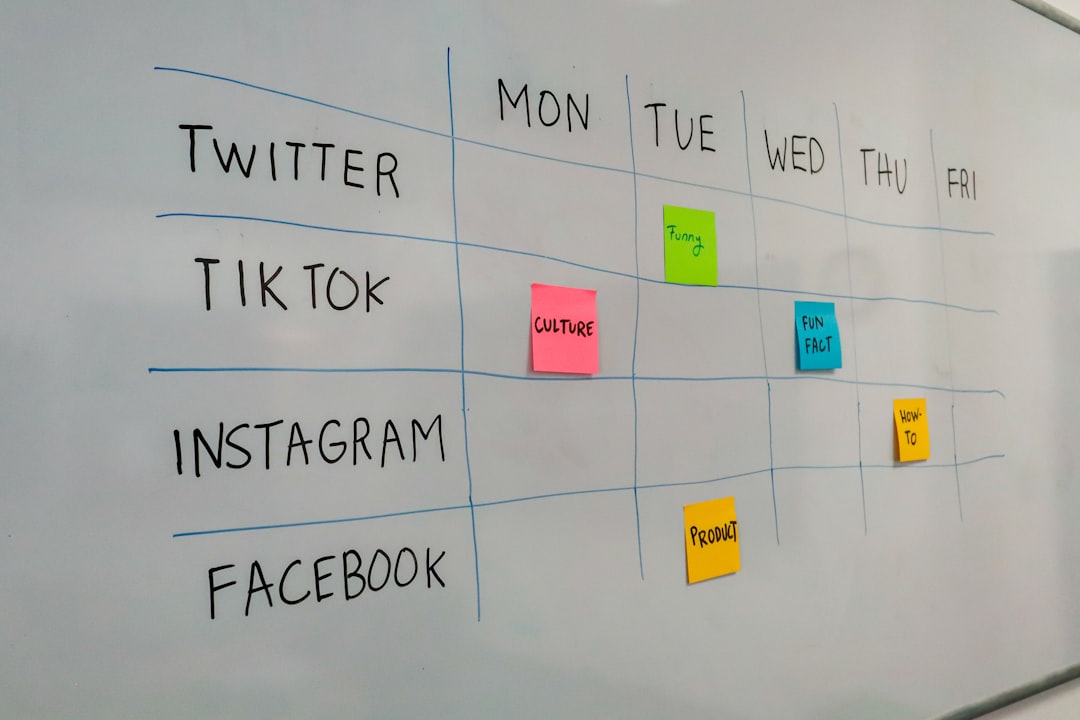
Marketing strategy mind map on a whiteboard - USA e-commerce marketing

In a market as vast and competitive as US e-commerce, simply existing online isn’t enough. You need a carefully crafted USA e-commerce marketing strategy. Think of it like building a house: you wouldn’t start hammering nails without blueprints, would you? Your marketing plan is your blueprint for success, guiding every decision and ensuring you’re building towards measurable goals.

We always start by defining clear objectives using the SMART framework: Specific, Measurable, Attainable, Relevant, and Time-bound. For example, instead of “increase sales,” we aim for “increase online sales by 20% in the next six months.” This clarity helps us track progress and make data-driven adjustments.

Understanding your target audience is paramount. Who are you trying to reach? What are their demographics, interests, and online behaviors? Developing detailed buyer personas helps us tailor messaging and choose the most effective channels.

Budget allocation is another critical step. Where will your marketing dollars have the most impact? New brands might allocate a higher percentage of revenue (12-20%) to awareness and acquisition, while established businesses might shift more towards retention and organic growth. We typically recommend a breakdown like 40% for awareness, 30% for consideration, 20% for conversion, and 10% for testing.

Finally, channel selection and data analysis tie it all together. You don’t need to be everywhere; you just need to be where your customers are. And once you’re there, continuously analyzing performance data allows us to refine strategies, optimize campaigns, and ensure every dollar spent is working hard for your business.

The Core Channels: Attracting and Converting Shoppers

To truly succeed in USA e-commerce marketing, you need to master a mix of channels that work in harmony. Think of them as different tools in your marketing toolbox, each with a specific purpose.

Different marketing channels like SEO, PPC, and social media - USA e-commerce marketing

Search Engine Optimization (SEO):

This is about making sure your online store appears prominently when shoppers search for your products on Google. Pages that rank at the top of Google get 10 times more clicks than those at the bottom. Our approach includes thorough keyword research, optimizing product pages, and ensuring technical SEO elements like fast load times and mobile responsiveness are flawless.

Content Marketing:

We believe in providing value. Instead of just pushing products, we create helpful, entertaining, or inspiring content. For instance, a pet supply store like Chewy publishes how-to guides on choosing the right dog crate, drawing in potential customers who are just starting their research. This builds trust and positions your brand as an authority.

Pay-Per-Click (PPC) Advertising:

For immediate visibility, PPC is your fast lane. We leverage platforms like Google Shopping Ads, which display product listings for high-intent searches. Retargeting (using display ads to reach people who’ve already visited your site) is also incredibly effective, reminding potential customers about products they’ve shown interest in.

Social Media Marketing:

Your customers are spending nearly two and a half hours a day on social media. One in three uses it to find new products. Platforms like Facebook (83% of marketers use it), Instagram (78%), and LinkedIn (69%) are essential for reaching audiences, according to Statista. We focus on building relationships, following the “rule of thirds”: one-third about your brand, one-third about your industry, and one-third dedicated to engaging with your audience.

Email & SMS Marketing:

These channels are about nurturing relationships. Email marketing boasts an incredible ROI of around $42 per dollar spent, with nearly 59% of campaigns seeing open rates between 20-50%. Tools like Klaviyo, Mailchimp, Attentive, and Omnisend help us send welcome emails, abandoned cart reminders (which generate over $60 million in extra sales), and post-purchase follow-ups. SMS, often managed by tools like Postscript, is perfect for time-sensitive offers.

Influencer Marketing:

Influencers bring your products to audiences who already trust them. HubSpot reports that 22% of Gen Z and 29% of Millennials find new products via influencers. We help businesses connect with micro-influencers who have smaller, but often more engaged, audiences, making this strategy accessible for brands of all sizes.

Affiliate Marketing:

This performance-driven strategy involves partners promoting your products and earning a commission on sales. US spending on affiliate marketing grew from $9.56 billion in 2023 to a projected $12 billion in 2025. It’s a fantastic way to extend your reach without upfront ad spend, as you only pay for actual conversions.

How to Attract, Convert, and Retain Shoppers with USA E-commerce Marketing

Our goal in USA e-commerce marketing isn’t just to get eyes on your products; it’s to guide customers seamlessly through their entire journey, from first glance to loyal advocate.

Attraction is handled by the channels we just discussed, getting potential customers to your site.

Conversion is where the magic happens. We focus heavily on Conversion Rate Optimization (CRO), which means continuously testing and improving elements on your website. This involves A/B testing different landing page layouts, call-to-action phrases, button colors, and checkout flows to see what resonates most with your audience. For example, ensuring your product pages have crystal-clear images, benefit-driven descriptions, and prominent social proof (like customer reviews) can make a huge difference.

Retention is often overlooked but is crucial for long-term success. It’s far more cost-effective to keep an existing customer than to acquire a new one. This is where personalized post-purchase communication shines. Think beyond just a “thank you” email. Beauty brand Glossier’s order confirmation email, for example, clearly displays items purchased, offers product recommendations, and includes a discount for the next order. We also implement abandoned cart reminders, a simple yet powerful tactic that recovers millions in lost sales annually. Loyalty programs, exclusive offers for returning customers, and actively soliciting customer reviews post-purchase are also vital. Other customers’ reviews are the primary way e-commerce buyers make purchasing decisions, so displaying them prominently is a must.

To learn more about how we can help you attract, convert, and retain your online shoppers, explore our marketing services.

Leveraging Data in Your USA E-commerce Marketing Efforts

In USA e-commerce marketing, data isn’t just numbers; it’s your compass. As the saying goes, “The best data set wins!” We carefully track Key Performance Indicators (KPIs) to understand what’s working, what’s not, and where the next opportunity lies.

Here are some of the critical KPIs we monitor:

  • Conversion Rate: The percentage of website visitors who complete a desired action, like making a purchase.
  • Customer Acquisition Cost (CAC): How much it costs to acquire a new customer. Keeping this low is vital for profitability.
  • Average Order Value (AOV): The average amount spent per order. Strategies like upselling and cross-selling can help boost this.
  • Lifetime Value (LTV): The total revenue a customer is expected to generate over their relationship with your business. High LTV indicates strong customer loyalty.

We pull data from across your entire ecosystem, including your e-commerce platform, website analytics (like Google Analytics), and CRM systems. This holistic view allows us to see the full picture of customer behavior and campaign performance.

A/B testing, mentioned earlier, is a data-driven optimization method that helps us make informed decisions. By testing different versions of web pages, emails, or ads, we can identify which elements drive better results, ensuring our marketing efforts are always improving. This continuous cycle of analysis, testing, and optimization is fundamental to successful USA e-commerce marketing.

The US e-commerce market, while immensely promising, isn’t without its complexities. Businesses engaged in USA e-commerce marketing must steer a landscape filled with both significant challenges and exciting opportunities.

Challenges:

High Return Rates:

Particularly in categories like fashion, return rates can be as high as 30-35%. This creates significant logistical and financial challenges, impacting profitability and requiring robust return management systems.

Shipping Expectations:

US consumers have high expectations. 85% of shoppers expect free delivery, and fast shipping is often non-negotiable. Meeting these demands while managing costs is a delicate balancing act.

Intense Competition:

With millions of e-commerce stores, standing out requires a unique value proposition and a sophisticated marketing strategy. The digital marketplace is crowded, and grabbing attention is harder than ever.

Economic Uncertainty:

Recent data from Numerator shows that 72% of consumers are concerned about an economic downturn. An Elon University poll also found that 65% of Americans are worried about tariffs impacting their finances. This makes buyers more selective, demanding more value and making loyalty even more critical.

Data Privacy Regulations:

While not as stringent as Europe’s GDPR, the US has its own evolving landscape of data privacy laws, notably the CCPA in California. Compliance is crucial to avoid fines and build trust with privacy-conscious customers.

Opportunities:

DTC Brands and Niche Markets:

The ability to connect directly with consumers and cater to highly specific interests allows smaller brands to thrive. If you have a unique product or a passionate community, e-commerce offers a direct path to your audience.

Leveraging Data for Personalization:

With the right data and analytics, businesses can offer highly personalized shopping experiences, from product recommendations to custom promotions, significantly increasing conversion and customer satisfaction.

Social Commerce Growth:

The ongoing rise of social commerce means new avenues for findy and direct sales. Brands that integrate seamlessly into these platforms can capture a growing segment of shoppers.

Focus on Loyalty:

During economic uncertainty, consumers often revert to trusted brands. This is an opportunity to double down on customer service, build strong relationships, and nurture loyalty, ensuring your business is resilient.

The key is to view these challenges not as roadblocks, but as parameters within which to innovate and strategically position your USA e-commerce marketing efforts.

Frequently Asked Questions about US E-commerce Marketing

We often get asked specific questions about navigating the US e-commerce landscape. Here are some of the most common ones:

What are the most critical consumer expectations in US e-commerce?

US online shoppers are a demanding bunch, but meeting their expectations can build immense loyalty. Here’s what we find most critical:

  • Free Shipping: This is almost a given. As we’ve seen, 85% of shoppers expect free delivery. If you can’t offer it, clear communication about shipping costs is essential, and consider offering a threshold for free shipping.
  • Fast Delivery: Once they’ve clicked “buy,” they want it now. Expedited shipping options and transparent delivery timelines are highly valued.
  • Easy Returns: Especially in categories like apparel, a hassle-free return policy is a major selling point. High return rates mean you need a smooth process, not just to satisfy customers but to manage your own logistics efficiently.
  • Mobile-Friendly Experience: With over half of all online purchases happening on mobile devices, your website must be perfectly optimized for smartphones and tablets. Slow load times or clunky navigation are instant turn-offs.
  • Secure Payments: Trust is paramount. Shoppers expect secure payment gateways and clear indications that their personal and financial data is protected.

What role does localization play in the US market?

While English is the dominant language across the US, localization for USA e-commerce marketing isn’t just about translation. It’s about understanding the subtle (and sometimes not-so-subtle) nuances that make different regions and demographics unique.

  • Regional Nuances: What appeals to a shopper in New York City might be different from someone in rural Oregon or the sunny coasts of California. Messaging, imagery, and even product recommendations can be custom to reflect these differences.
  • Cultural Differences: The US is a melting pot. Being mindful of opportunities to accept cultural differences, especially within large communities like Hispanic and African American populations, can make your marketing more inclusive and effective.
  • Pricing Strategies: Consider local market conditions and competitor pricing. Also, be aware of taxes and how they might impact the final price for customers in different states.
  • Payment Preferences: While credit cards are king, offering alternative payment methods like PayPal, Apple Pay, Google Pay, or “Buy Now, Pay Later” options can cater to a wider audience and improve conversion rates.

Localization means making your brand feel relevant and “local” to each segment of your vast US audience.

What should I ask when choosing a USA e-commerce marketing partner?

Choosing the right partner for your USA e-commerce marketing is a big decision. You want a team that understands the market’s intricacies and can deliver tangible results. Based on our experience, here are the critical questions we recommend asking:

  • What results have you achieved for clients in our industry, or similar industries? Look for case studies and concrete examples of success. We want to see a proven track record.
  • What is your pricing structure and what services are included? Transparency is key. Understand exactly what you’re paying for and how it aligns with your budget.
  • How do you approach communication and reporting? You need an agency that communicates clearly, responsively, and provides regular, easy-to-understand updates on progress.
  • What is your experience with [specific marketing channels relevant to your business, e.g., SEO, social commerce, email automation]? Ensure their expertise matches your needs.
  • How do you stay updated on US market trends and regulations (like CCPA)? The market evolves quickly; your partner should be proactive in adapting strategies.
  • How do you measure success, and what KPIs will you track for our campaigns? They should be focused on measurable outcomes that align with your business goals.
  • Are you open to feedback and collaboration? A good partnership is a two-way street.

At Cortex Marketing, we pride ourselves on our collaborative approach and transparent processes. We invite you to ask us these questions and more when considering a marketing partner.

Conclusion

The USA e-commerce marketing landscape is a dynamic, environment, defined by its massive scale and continuous innovation. We’ve seen that it’s the world’s second-largest market, projected to exceed $1.4 trillion in 2025, with nearly 20% of all retail transactions now happening online. Mobile commerce dominates, social commerce is exploding, and consumers expect nothing less than free, fast shipping and seamless experiences.

While challenges like intense competition, high return rates, and economic uncertainties exist, the opportunities are equally vast, particularly for agile DTC brands and businesses that understand the power of data-driven personalization. Successfully navigating this market requires a custom, holistic strategy that leverages core channels like SEO, PPC, social media, and email marketing to attract, convert, and retain shoppers effectively.

At Cortex Marketing, we believe that understanding these numbers is just the beginning. The real magic happens when you translate data into actionable USA e-commerce marketing strategies custom specifically for your business. We’re here to help local businesses in Washington, Oregon, and British Columbia, Canada, make sense of this complex world and steer their online presence toward measurable success.

We offer a free 30-minute consultation to discuss your unique needs and explore how we can help you thrive in the US e-commerce market. To build a powerful e-commerce website that converts, explore our website development services.


Navigating the Future: Digital Transformation Consulting Explained

Digital transformation consulting


Why Every Business Needs to Understand Digital Change Consulting

digital transformation consulting

Digital change consulting is a specialized service that helps organizations integrate digital technologies into every aspect of their business—from operations and customer experience to culture and strategy. Here’s what you need to know:

What Digital Change Consultants Do:

  • Develop roadmaps aligning technology with business goals
  • Guide technology selection and implementation
  • Lead change management for successful adoption
  • Build data and analytics strategies
  • Transform processes for efficiency and innovation

Why Businesses Hire Them:

  • Access to specialized expertise and proven methods
  • Objective perspectives on complex challenges
  • Accelerated progress and reduced risk
  • Help bridging the gap between technology and people

The urgency is real. Over 90% of organizations are currently pursuing digital change, yet fewer than one-third succeed at scale. With organizations investing 7.5% of their revenue into digital change, the stakes are high. Without the right guidance, these investments often fail to deliver expected results.

The challenge isn’t just technology; it’s navigating complexity—choosing tools, managing change, aligning teams, and focusing on outcomes that move the business forward. Digital change consulting brings structure and expertise to this journey.

For local business owners, this might sound like something only large enterprises need. But whether you’re modernizing your customer experience or streamlining operations, consulting can help you make smarter decisions faster, without costly trial and error.

I’m William S. Dickinson, and I’ve seen how digital change consulting makes the difference between organizations that thrive and those that struggle. This guide breaks down what you need to know to steer your own digital evolution.

infographic showing the digital transformation journey from assessment through strategy development, technology implementation, change management, and continuous optimization with key milestones and decision points at each stage - Digital transformation consulting infographic infographic-line-5-steps-blues-accent_colors

Why Digital Change Consulting is Essential in Today’s Disruptive Landscape

In today’s business world, digital disruption can transform an industry overnight, leaving businesses scrambling to adapt. It’s not just about adopting new gadgets; it’s about fundamentally reinventing how organizations operate and deliver value by embedding technology across every function. This is where digital change consulting truly shines.

We’re in an era of unprecedented technological complexity. Technologies like augmented reality, the Internet of Things, and artificial intelligence are driving rapid innovation. These aren’t just buzzwords; they’re the building blocks of future business models, and customers expect more personalized interactions with them. Businesses of all sizes, from North Vancouver to Kelso, Washington, are struggling with labor shortages, inflationary pressures, and these new digital disruptors.

The stakes are incredibly high. While most organizations are pursuing digital change, fewer than one-third succeed at scale. This isn’t a minor setback; it’s a significant drain on resources. On average, organizations invest 7.5% of their revenue into digital change, yet only 30% of executives report achieving expected results from their digital strategy. That’s a lot of effort and money potentially going down the digital drain.

Navigating this complexity demands a strategic partnership with experts. Digital change consultants are those seasoned guides. They bring structure, proven methodologies, and a crucial change management lens to help organizations steer these challenges. They help align stakeholders, clarify objectives, and drive meaningful outcomes by blending digital strategy with deep operational know-how. We believe in empowering businesses to thrive in this new landscape. More info about our approach.

What is Digital Change Consulting?

At its heart, digital change consulting provides strategic guidance and hands-on support to companies evolving their business models, processes, and culture. It’s a holistic approach to integrating digital technologies into all business areas to fundamentally change how they operate and deliver value.

Think of it as a master architect for your business’s future. This involves:

  • Strategic guidance: Defining a clear vision for how technology can solve business problems.
  • Technology integration: Selecting and implementing the right tools, from cloud solutions to AI platforms.
  • Business model evolution: Reimagining how your company creates and captures value in a digital-first world.
  • Cultural change: Preparing your people for new ways of working, which is often the most vital part.
  • Multidisciplinary approach: Blending digital strategy with organizational development and operational expertise.

Digital change consulting ensures that change delivers real outcomes, bridging the gap between intention and impact.

The Urgency for External Expertise

While internal teams are invaluable, the sheer scale of digital change often reveals critical gaps where external expertise becomes urgent.

Here’s why businesses turn to digital change consulting firms:

  • In-house skill gaps: Digital change demands a broad spectrum of specialized skills, from data architecture to AI, that few internal teams possess.
  • Bandwidth limitations: Existing teams are busy running the business. A massive change project can stretch them beyond their breaking point.
  • Objectivity and fresh perspectives: An external consultant brings an unbiased view, unburdened by internal politics or historical ways of doing things.
  • Proven methodologies: Consultants use structured approaches and best practices honed from experience, reducing trial-and-error.
  • Risk reduction: With experience, consultants can anticipate pitfalls, mitigate risks, and help avoid costly mistakes.
  • Accelerating progress: By providing dedicated resources and a clear roadmap, consultants can significantly speed up the change journey.

Companies hire digital change consultants to accelerate progress, reduce risk, and build confidence. They bring the structure and expertise needed to steer the complexities and keep efforts on track.

The Core Pillars: What Digital Change Consultants Deliver

consultant presenting strategic roadmap - Digital transformation consulting

Digital change consulting isn’t a single service but a suite of interconnected offerings for a holistic approach to modernizing your business. The goal is to align technology with your core business objectives, ensuring every digital step propels you towards your strategic goals.

Digital Strategy and Roadmap Development

This is the blueprint for your digital journey. Without a clear strategy, advanced technologies can become expensive distractions. Our consultants work with you to:

  • Align digital initiatives with business objectives: We ensure every digital investment supports your overarching goals, like increasing market share or streamlining operations.
  • Analyze market opportunities: We help identify emerging trends and untapped opportunities, ensuring your digital strategy is forward-looking.
  • Conduct competitive analysis: Understanding your competitors’ digital presence helps us carve out a unique path for your business.
  • Define KPIs: We establish clear outcomes and performance metrics so you can track progress and define success.
  • Create a phased implementation plan: We create a realistic, phased roadmap, breaking the journey into manageable steps with clear milestones. This builds momentum and allows for adaptation.

Developing an insights-driven digital strategy with a clear focus on value is paramount. It’s about building a change roadmap aligned with your business objectives.

Technology and Data Architecture

Once the strategy is set, the focus shifts to the technical backbone. Our services include:

  • Technology assessment: Evaluating your current IT infrastructure to identify strengths, weaknesses, and areas for improvement.
  • Platform selection and integration: Guiding you through the array of software options to choose and integrate the right platforms (CRM, ERP, etc.).
  • Cloud strategy and integration: Helping you move to the cloud with comprehensive strategies, from planning and architecture to build and operations.
  • Data governance and strategy: We help you open up the value of your data with trusted analytics strategies. This includes developing data roadmaps and robust governance frameworks. It’s worth noting that 40% of organizations are prioritizing foundational investments in data architecture, recognizing that AI is only as effective as the data behind it. A skilled partner helps build the right data strategy first.
  • AI and automation readiness: Assessing your readiness for AI and automation, and implementing solutions that free teams from repetitive tasks.

This pillar ensures your technology and data infrastructure is robust, scalable, and aligned to execute your digital strategy.

The Critical Role of Change Management

Most organizations focus on the technical side of digital change and overlook the human element. This is a key reason why so few changes succeed. We believe in a “people-first” approach because people are what truly change an organization.

Our change management expertise ensures your team is ready, willing, and able to adapt:

  • People-first approach: We focus on adoption and empowering employees to ensure new systems are accepted and sustained.
  • Stakeholder alignment: We work to align stakeholders and sponsors early, ensuring everyone is committed to the change.
  • Employee training and adoption: We develop training programs to equip employees with the skills and confidence to use new technologies.
  • Communication strategy: Clear, consistent communication is vital to mitigate resistance and build awareness.
  • Mitigating cultural resistance: We help you steer sensitive issues, foster a culture of innovation, and ensure new behaviors are reinforced.
  • Building change readiness: We help your organization develop the capability to transform its culture, making it more agile for future changes.

Managing change carefully is a necessity for bridging the gap between intention and impact.

Opening up Business Value: The Key Benefits of Expert Guidance

Engaging with digital change consulting is a strategic investment that yields significant returns. When done right, it leads to ROI-led digitization, measurable outcomes, and a distinct competitive advantage. Organizations that track change KPIs are far more likely to realize value.

Enhancing Customer and Employee Experiences

seamless omnichannel customer journey - Digital transformation consulting

Customer and employee experiences are two sides of the same coin. Digital change consulting helps you create environments where both thrive.

  • Total Experience (TX) / User Experience (UX): We help you re-imagine the customer journey by uncovering their needs and developing new interactions empowered by digital channels. The goal is to build and transform digital experiences across marketing, sales, and service to evolve your omnichannel commerce journey.
  • Personalized interactions: By leveraging data, we help you infuse products and services with digitally enabled features for more valuable customer experiences.
  • Employee empowerment and engagement: Digital change also means empowering your employees with better tools and streamlined processes. This improves engagement, productivity, and ultimately, the customer experience.

A seamless brand experience across all touchpoints is increasingly expected by customers in North America.

Driving Operational Efficiency and Innovation

Digital change is a powerful engine for driving operational efficiency and fostering a culture of innovation.

  • Process reengineering and workflow automation: We help identify bottlenecks, streamline processes, and implement automated workflows. This reduces operational costs and allows employees to focus on higher-value activities.
  • The right digital strategy, the right differentiator: A well-crafted digital strategy enables faster growth and greater productivity, making your business more agile and responsive.
  • Agile methodologies: We help embed agile ways of working, fostering cross-functional collaboration and iterative development.
  • Fostering an innovation culture: Beyond specific projects, our goal is to help you build an internal capacity for continuous innovation and facilitate cross-functional teaming.
  • Reduced operational costs: By optimizing processes and leveraging cloud solutions, digital change can lead to significant cost savings.

Through these efforts, we help you make wise digital investments with clear goals and careful change management, turning aspirations into tangible advantages.

The journey of digital change is rarely a straight line. It’s often fraught with unexpected detours. Having a trusted guide for proactive problem-solving, a structured approach, and a commitment to a long-term partnership can make all the difference.

Common Challenges in Digital Change

While the rewards are immense, the path is rarely smooth. Businesses frequently encounter several problems:

  • Legacy system integration: Many businesses operate with older systems that are difficult to integrate with new digital technologies.
  • Lack of clear strategy: Without a defined roadmap, initiatives can become fragmented, leading to wasted resources and inconsistent results. Siloed initiatives hinder the ability to deliver a consistent customer experience.
  • Cultural resistance: Employees may be hesitant to adopt new tools or processes, leading to friction and slowed adoption. This is often identified as the biggest barrier to success.
  • Misaligned incentives: If teams aren’t incentivized to accept new digital ways of working, change efforts can quickly lose steam.
  • Budget constraints: Managing the costs of digital change while demonstrating clear ROI is a constant challenge.
  • Growing intensity of barriers: Unfortunately, change barriers like legacy systems and lack of strategy are growing in intensity, making expert guidance more critical.

Overcoming these challenges demands a practical approach alongside experienced digital change consulting services.

How to Choose the Right Digital Change Consulting Partner

Selecting the right digital change consulting partner is a critical decision. It’s not just about finding someone who understands technology; it’s about finding a partner who understands your business, people, and unique challenges. Here are key factors for businesses in Washington, Oregon, and British Columbia to consider:

  • Industry experience: Does the firm have experience in your specific industry? This ensures they understand your market dynamics and operational challenges.
  • Technical expertise: Evaluate their knowledge across relevant technologies, including cloud, AI, data analytics, and cybersecurity.
  • Proven track record: Look for case studies of successful changes they’ve led. Ask for references and scrutinize their results.
  • Cultural fit: A good consulting partner should integrate with your team, share your values, and foster a collaborative environment.
  • Change management methodology: Assess their approach to change management. Do they prioritize a “people-first” approach and have structured methods to ensure employee adoption?
  • Key considerations: Beyond the above, consider their communication style, ability to transfer knowledge, and how they measure success and ROI.

Prioritize partners with experience in digital strategy, a proven track record in change management, and strong data analytics capabilities.

Frequently Asked Questions about Digital Change Consulting

We often hear similar questions from businesses contemplating their digital journey. Let’s tackle some of the most common ones.

How long does a digital change engagement take?

The length of a digital change consulting engagement varies widely and is not a one-size-fits-all answer. It depends on several key factors:

  • Project scope: A complete overhaul of all business functions will take longer than optimizing a single process.
  • Technological complexity: Integrating intricate systems or implementing cutting-edge AI requires more time than simpler digital upgrades.
  • Organizational readiness: The speed of adoption, the existing digital maturity of your team, and cultural resistance all impact the timeline.
  • Phased approach: Most successful digital changes are implemented in phases, allowing for continuous learning. This means the journey is a long-term shift, not a one-time project.

While initial strategy phases might take a few weeks or months, a comprehensive digital change consulting journey can span several years. The key is to focus on incremental, measurable progress and sustained effort.

Is digital change only for large enterprises?

Absolutely not. This is a common misconception. While large corporations often make headlines, digital change consulting offers immense benefits for small to medium-sized businesses (SMBs) as well.

  • Benefits for SMBs: Digital tools and strategies can level the playing field, allowing smaller businesses to compete more effectively with larger players.
  • Scalable solutions: Consultants can tailor solutions to fit an SMB’s size and budget, focusing on high-impact areas that deliver the most value.
  • Cost-effective strategies: For many SMBs, cloud adoption offers opportunities for efficiency and innovation without massive upfront infrastructure investments.
  • Leveling the playing field: An SMB in Kelso can use digital solutions to offer the same level of customer experience as a company in a major metropolitan area.
  • Canada Digital Adoption Program (CDAP) example: In Canada, programs like CDAP assist businesses with their digital change, demonstrating the importance of digital tools for SMB growth. This is a great example for our clients in North Vancouver and across British Columbia.

For SMBs, digital change is about becoming more resilient, efficient, and customer-centric.

How is the ROI of digital change consulting measured?

Measuring the Return on Investment (ROI) of digital change consulting is crucial for accountability. We focus on a blend of quantitative and qualitative metrics:

  • KPIs and metrics: We establish clear Key Performance Indicators (KPIs) at the outset, such as increased revenue, reduced operational costs, or improved customer retention.
  • Business value: We measure how the change contributes to your bottom line and strategic objectives, like new product offerings or improved market positioning.
  • Operational efficiency gains: We track improvements in process efficiency, automation rates, and cost reductions.
  • Customer satisfaction scores: We monitor metrics like Net Promoter Score (NPS) and customer churn rates to gauge improvements in customer experience.
  • Employee adoption rates: Since a “people-first” approach is critical, we track how readily employees adopt new systems and measure improvements in their productivity.
  • Market share growth: A successful digital change can lead to a stronger competitive position and an increase in market share.

By using these metrics, we help you understand the true impact of your digital change and provide confidence in your investment.

Conclusion: Your Next Step in Digital Evolution

The digital age is not just knocking at your door; it’s already inside, rearranging the furniture. For businesses across Kelso, Washington, North Vancouver, BC, and indeed throughout North America, embracing digital change is no longer optional—it’s a strategic imperative for survival and growth. The journey can be complex, filled with technological problems, cultural shifts, and the constant need to adapt. But you don’t have to steer it alone.

Digital change consulting offers a guiding hand, providing the expertise, structured approach, and fresh perspective needed to turn challenges into opportunities. From crafting an insights-driven digital strategy and building robust data architectures to fostering a people-first change management approach, consultants are your partners in opening up new business value. They help you improve customer and employee experiences, drive operational efficiency, and cultivate a culture of continuous innovation.

At Cortex Marketing, we understand the unique landscape and needs of local businesses. We believe in empowering our community with the tools and strategies to thrive in this evolving digital world. Our human-centric approach ensures that technology serves your business and your people, not the other way around. By partnering with us, you’re not just future-proofing your business; you’re building a more resilient, innovative, and valuable enterprise for years to come.

Are you ready to stop chasing the digital greased pig and start leading the pack?

Start your digital transformation journey with our expert guidance

Read our latest insights


This website stores cookies on your computer. These cookies are used to provide a more personalized experience and to track your whereabouts around our website in compliance with the European General Data Protection Regulation. If you decide to to opt-out of any future tracking, a cookie will be setup in your browser to remember this choice for one year.

Accept or Deny

error: Our content is protected — stealing is a crime — you are being watched!!